
Pet Health Library Dogs
Canine
parvovirus.
Understanding how parvovirus spreads, the warning signs to watch for, and the importance of timely vaccination can help you protect your dog.
Read the article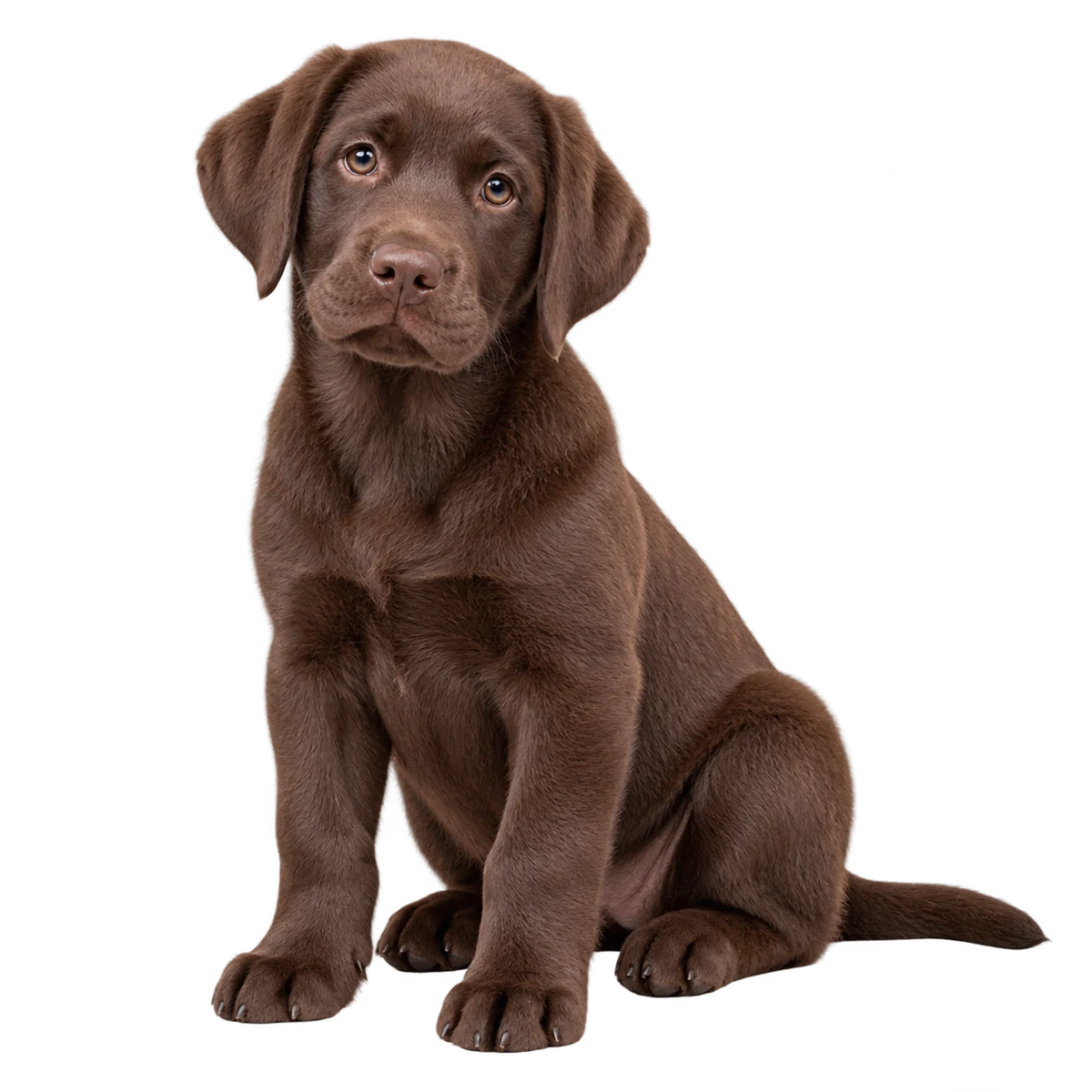
A serious infection that can progress quickly
Canine parvovirus, often called parvo or CPV, is a highly contagious virus that mainly damages the intestines and bone marrow. Vomiting, fluid loss and a weakened ability to fight infection can make a dog critically ill in a short time. Puppies between six weeks and six months are especially vulnerable, but an unvaccinated dog of any age can become infected.
A much rarer form affects the heart muscle of very young puppies, sometimes causing sudden illness or heart failure. Vaccination has made this form uncommon. Any breed can develop parvo; incomplete vaccination, young age, exposure to infected dogs and conditions or medicines that weaken immunity deserve particular attention.
Exposure can happen without meeting a sick dog
Dogs usually pick up the virus through contact with infected feces or contaminated surfaces, then take it in through the mouth or nose. Shoes, hands, bowls, bedding and shared equipment can carry it. Shelters, breeding facilities and other places where many dogs gather need careful infection control.
Parvovirus can survive for months and sometimes longer in a protected environment. Many ordinary household cleaners do not kill it. Bleach is one effective option, but it is not the only one: certain veterinary disinfectants are also effective against parvovirus. Remove visible dirt first, follow the product's dilution and contact-time instructions, and keep pets away during cleaning. Ask your veterinarian how to manage contaminated soil or grass, which is much harder to disinfect.
Recognize the signs and seek care promptly
- Unusual tiredness, weakness or loss of interest in food.
- Repeated vomiting and diarrhea, which may contain blood.
- A painful abdomen, rapid dehydration or marked weight loss.
- Fever, or a low body temperature in a severely ill dog.
Call before arriving A puppy with vomiting or diarrhea needs prompt veterinary advice. If parvo is possible, tell the practice before you arrive so the team can arrange safe entry and reduce exposure to other dogs.
Testing and treatment work together
Your veterinarian will review vaccination and exposure history, examine your dog and usually test a fecal sample for parvovirus. Blood tests help assess white blood cells, blood sugar, hydration and organ function. A negative rapid test does not always rule out infection, so repeat testing or another method may be needed. Urine testing, X-rays or ultrasound can help investigate other causes or complications when appropriate.
Treatment often requires hospitalization for fluids, electrolyte support, nausea and pain control, nutrition and close monitoring. Antibiotics address the risk of bacterial infection after the intestinal barrier is damaged; they do not kill the virus. Parasite treatment may also be needed. A virus-targeting monoclonal antibody is an additional option that a veterinarian may consider where available.
Outcome depends on how ill the dog is and how quickly care starts. A fixed survival percentage cannot predict an individual dog's recovery. Severe dehydration, bloodstream infection and other complications make waiting especially risky.
Complete vaccination and follow the recovery plan
Parvovirus vaccination is recommended for all dogs. Puppies generally begin at six to eight weeks and receive doses every two to four weeks until at least 16 weeks; a final dose at 18 to 20 weeks may be advised when risk is high. Antibodies from the mother can interfere with early doses, so protection should not be assumed at 12 weeks. Later boosters follow the vaccine and your veterinarian's plan. For an adopted dog, bring any available vaccination records.
Until your veterinarian confirms an appropriate level of protection, avoid dog parks and places visited by dogs with unknown vaccination histories. Arrange social experiences in controlled settings with healthy, appropriately vaccinated dogs rather than postponing all socialization.
A recovering dog may continue shedding virus for roughly two weeks after signs resolve. Follow the prescribed isolation period, diet and recheck plan; provide a quiet resting area with food and water nearby. Keep cleaning contaminated equipment with an effective product. Recovery usually produces strong, lasting immunity, but it does not replace a personalized plan for other vaccinations or make a contaminated home safe for an unprotected puppy.
Have questions about your pet’s care? Call Highland at (812) 867-6651.
Back to the Pet Health LibraryFurther reading: Cornell Riney Canine Health Center: Parvovirus, transmission to treatment; AAHA: Canine parvovirus vaccination; Merck Veterinary Manual: Canine parvovirus infection; Cornell Baker Institute: Canine parvovirus and immunity.