
Pet Health Library Dogs
Picking your
perfect puppy.
A good match starts with your everyday life, your puppy's future needs, and the time you can offer for care, companionship and learning.
Read the article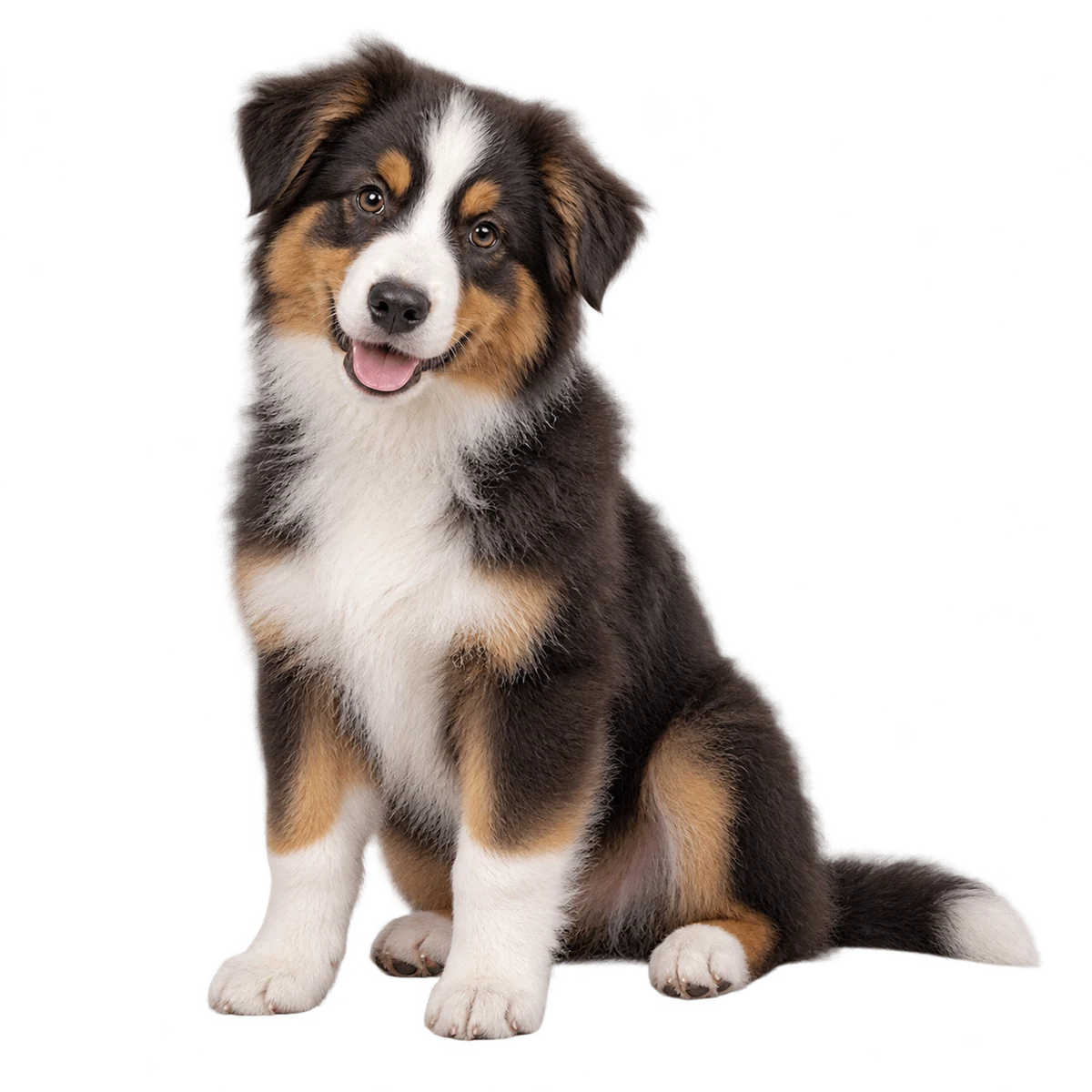
Picture the adult dog before choosing the puppy
A puppy brings years of companionship and a lasting responsibility for food, preventive care, training, exercise and grooming. Think beyond appearance: how much space, time and activity can your household consistently offer? Consider work schedules, children, existing pets, housing rules and the cost of ongoing care.
Breed profiles describe tendencies, not promises about an individual dog's health or personality. Adult measurements and life expectancies below are approximate guides. Meet the puppy and, where possible, its mother; ask a rescue or responsible breeder about behavior, medical history and appropriate health screening. A mixed-breed dog can be an equally good match.
American Bulldog: strength, activity and companionship
These muscular, short-coated dogs are typically about 22–25 inches tall and 75–100 pounds for males, or 20–23 inches and 60–80 pounds for females. Typical life expectancy is around 10–12 years. Their smooth coat needs relatively simple grooming, but their strength makes comfortable leash skills important from the start.
Many are affectionate and athletic. Plan for daily walks, play and mental activity, rather than relying on a yard alone. Introduce people and animals thoughtfully and supervise children. Ask about hip and elbow evaluations because joint problems can occur.
Alaskan Malamute: a substantial working dog
A Malamute has a thick double coat, upright ears and a plumed tail. Typical adults stand about 25 inches and weigh 85 pounds for males, or 23 inches and 75 pounds for females; life expectancy is roughly 10–14 years.
This active, strong breed needs substantial daily activity, regular coat care and secure containment, including protection against digging or roaming. A strong chase instinct can make introductions to small animals difficult. Heat management matters: offer cool conditions, shade and water, and adjust activity in warm weather. Discuss hip screening, eye examinations and inherited conditions such as polyneuropathy or chondrodysplasia with the breeder and veterinarian.
Bichon Frise: small size with ongoing coat care
A Bichon is a sturdy, usually white-coated companion about 9.5–11.5 inches tall and 12–18 pounds, with a typical life expectancy of 14–15 years. Its soft, growing coat needs frequent brushing and regular professional grooming to prevent painful mats.
Many enjoy company, play and learning. Apartment living can suit a Bichon when daily walks, play and attention are provided. Small dogs need the same patient training and respectful handling as larger ones. Ask about eye and kneecap screening; allergies, skin or ear trouble and dental disease are also relevant care concerns.
Boston Terrier: a compact companion with heat limits
Boston Terriers have a short coat, upright ears and a compact body, typically standing around 15–17 inches and weighing 12–25 pounds. Many live into their early teens. Their prominent eyes and short muzzle are important considerations when planning care.
They can enjoy a house or apartment with daily walks and play suited to the individual. Their shorter face can limit breathing and heat tolerance, so avoid strenuous activity in hot or humid conditions. Discuss eye screening, hearing tests and any noisy or difficult breathing. A friendly reputation does not replace supervised introductions or training.
Chihuahua: a tiny dog who still needs dog-sized care
Chihuahuas generally stand about 5–8 inches and weigh no more than six pounds under the breed standard; individuals may be larger. Typical life expectancy is about 14–16 years. Both smooth and long coats occur.
Many are alert, lively and attached to their people. Short walks, play and enrichment help them stay active, even in a small home. Their size makes gentle handling and protection from accidental injury especially important around children and larger dogs. Plan for dental care, sensible portions and warmth when needed. Ask about heart, eye and kneecap health rather than assuming a tiny dog has few medical needs.
Dalmatian: energy, endurance and individual needs
Dalmatians are athletic, short-coated dogs with distinctive spots, typically about 19–24 inches tall and 45–70 pounds. Typical life expectancy is around 11–13 years. Most puppies develop their recognizable spots after birth.
Plan for substantial daily exercise and mental activity. An energetic young dog may be overwhelming for small children, so teach calm behavior and supervise interactions. Ask for the puppy's BAER hearing-test result and discuss urinary-stone risk and any skin problems. A deaf dog can still learn and enjoy family life with suitable communication and safety measures.
Standard Poodle: an active learner with a demanding coat
Standard Poodles stand over 15 inches; typical weights are 60–70 pounds for males and 40–50 pounds for females. Life expectancy varies widely, often around 10–18 years. Their curly coat needs frequent brushing and regular grooming, even with a simple pet trim.
Poodles are active dogs who usually benefit from walks, play, training and opportunities to use their minds. A yard is helpful but does not provide enough activity by itself. Discuss hip and eye screening, ear and skin care, and the emergency warning signs of bloat.
Teach with patience and choose with care
Whatever the breed, use reward-based training, predictable routines and gradual, positive socialization. Fear, guarding or unwanted behavior calls for understanding and skilled help; being a pack leader or using force is not a treatment plan. Children and dogs need active adult supervision.
Before committing, ask your veterinarian which health records and screening results to request. Choose the individual whose needs you can meet throughout adulthood and older age, and plan the first veterinary visit before your puppy comes home.
Have questions about your pet’s care? Call Highland at (812) 867-6651.
Back to the Pet Health LibraryFurther reading: AVMA: Selecting a pet dog; American Veterinary Society of Animal Behavior: Humane dog training; American Kennel Club: American Bulldog; American Kennel Club: Alaskan Malamute; American Kennel Club: Bichon Frise; American Kennel Club: Boston Terrier; American Kennel Club: Chihuahua; American Kennel Club: Dalmatian; American Kennel Club: Standard Poodle.